What is the difference between microblading and permanent makeup? Learn how they compare on technique, longevity, healing, and results.
You can love the idea of waking up with polished brows or softly defined features and still feel unsure about which treatment makes sense for you. If you have been asking what is the difference between microblading and permanent makeup, the short answer is this: microblading is one specific brow technique, while permanent makeup is a broader category that includes several cosmetic tattooing methods for brows, lips, and eyeliner.
That distinction matters more than most people realize. These treatments can create beautiful, confidence-boosting results, but they do not all look the same, heal the same, or age the same. The right choice depends on your skin, your style, your routine, and how much definition you actually want.
What is the difference between microblading and permanent makeup?
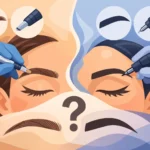
Microblading is a manual technique most often used on eyebrows. A technician uses a handheld tool with very fine needles to create hair-like strokes that mimic the look of natural brow hairs. The goal is usually a soft, realistic finish, especially for people who want to fill sparse areas or improve shape without a heavily made-up look.
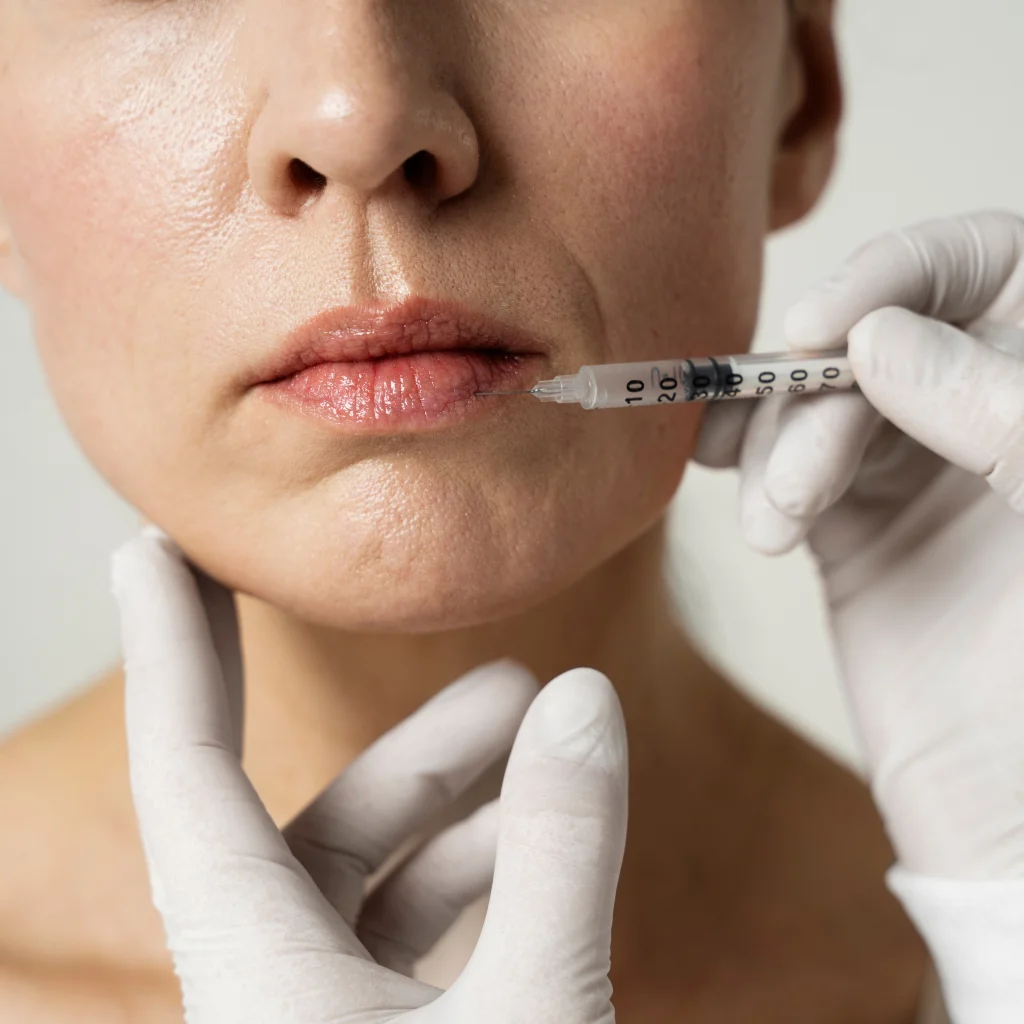
Permanent makeup, by contrast, is an umbrella term. It refers to cosmetic tattooing done with specialized tools and pigment to enhance features like brows, lips, and eyes. Powder brows, ombre brows, lip blush, lash enhancement, and permanent eyeliner all fall under permanent makeup. In some cases, even machine-applied brow techniques that look softer and more shaded than microblading are part of this category.
So when people compare microblading vs. permanent makeup, they are often comparing one brow-specific technique to a whole range of cosmetic tattoo options. That is why the conversation can get confusing.
The biggest difference is the technique
Microblading uses a hand tool to place pigment into the upper layers of the skin in crisp, fine strokes. Those strokes are designed to resemble individual eyebrow hairs. When done well on the right skin type, the result can be very natural and beautifully understated.
Permanent makeup often uses a digital machine rather than a manual blade. Instead of creating only hair strokes, the provider can build soft shading, more even saturation, or more defined color. This approach is commonly used for powder brows, lip color, and eyeliner because it offers precision and flexibility in depth and pigment placement.
From a client perspective, this difference in technique affects almost everything else – how the result looks, how long it lasts, how it heals, and who is a good candidate.
How the final look differs
If your goal is natural-looking eyebrow texture, microblading is usually chosen for its hair-stroke effect. It can be ideal for someone with relatively normal to dry skin who wants to restore shape or fullness without looking overly filled in.
Permanent makeup can be either soft or more defined depending on the service. Powder brows, for example, create a shaded look that resembles brow pencil or brow powder. Lip blush adds tone and symmetry to the lips. Eyeliner can be subtle at the lash line or more noticeable. In other words, permanent makeup gives you more options beyond mimicking brow hairs.
This is where personal style matters. Some clients want brows that disappear into their natural features. Others want a polished, ready-for-the-day finish that saves time every morning. Neither preference is better. It is simply a question of the aesthetic you want to live with daily.
Longevity is not exactly the same
One reason clients ask about what is the difference between microblading and permanent makeup is that they want to know which one lasts longer. The honest answer is: it depends, but machine-based permanent makeup often retains color more consistently over time.
Microblading is considered semi-permanent. The pigment gradually fades, and many people need touch-ups to maintain crispness and color. Because the strokes are so fine, they can blur or soften as the skin changes and the pigment settles.
Permanent makeup also fades over time, despite the name. It is not always truly permanent in the way clients imagine. Color retention depends on the area treated, the pigment used, your skin type, sun exposure, skincare habits, and how your body metabolizes pigment. Still, many machine-applied techniques hold up well and can be easier to refresh in a predictable way.
If you want something very delicate and are comfortable with maintenance, microblading may appeal to you. If you want longer-lasting definition or treatment in areas beyond the brows, permanent makeup may be the better fit.
Skin type can change the recommendation
This is one of the most important parts of the decision, and it is often overlooked.
Microblading tends to work best on normal to dry skin with smaller pores and relatively little oiliness. On oily or mature skin, the crisp hair strokes may not heal as cleanly. They can soften, spread, or look less defined over time. That does not mean beautiful brows are off the table. It simply means microblading may not be the most flattering or durable technique for that skin.
Permanent makeup, especially machine shading techniques like powder brows, is often a better option for oily, textured, or more mature skin. The healed result can look smoother and more even because it does not rely on ultra-fine strokes staying sharply separated in the skin.
This is why an experienced consultation matters. The best treatment is not just the one you like in photos. It is the one your skin is most likely to heal well.
Healing and aftercare are similar but not identical
Both treatments require thoughtful aftercare. Expect some darkening at first, followed by flaking or soft peeling as the area heals. The final healed color is usually lighter and softer than the initial result.
Microblading can feel a bit more vulnerable during healing because those fine strokes are the entire design. If the skin retains pigment unevenly, the brow may need refinement at the touch-up appointment.
Permanent makeup healing varies by service. Brows may heal with a powdery finish, lips can feel more tender and go through noticeable color shifts, and eyeliner may involve temporary puffiness. In general, aftercare instructions are there to protect pigment retention and reduce irritation, so following them closely matters.
For busy professionals and parents, the practical question is often not just pain tolerance. It is whether you can commit to the healing window, avoid picking, protect the area, and plan around workouts, sun exposure, and certain skincare products.
Pain level and comfort
Most clients tolerate both microblading and permanent makeup very well, especially when topical numbing is used. Sensitivity varies by person and by treatment area. Brows are often very manageable. Lips and eyeliner can feel more intense simply because those areas are more delicate.
The better question to ask is not which one hurts more in general, but what your own treatment plan will involve. Comfort depends on technique, skin sensitivity, and the provider’s approach.
Who is a good candidate for each?
Microblading is often a strong fit for someone who wants natural brow enhancement, has relatively dry or balanced skin, and loves the look of hair-like detail.
Permanent makeup is often better for someone who wants more definition, has oily or mature skin, wants a service such as eyeliner or lip blush, or prefers a technique that can offer more shading and structure.
There is also overlap. Some clients benefit from a combination approach, such as hair strokes with soft shading. That is another reason blanket advice can miss the mark. The most flattering result is usually customized rather than copied.
Choosing based on lifestyle, not just trend
Beauty treatments should make your routine easier, not create stress. If you rarely wear makeup and want a subtle enhancement, microblading may feel beautifully aligned with your lifestyle. If you like a more polished look every day or want multiple areas enhanced, permanent makeup may deliver more of the low-maintenance payoff you are after.
It also helps to think long term. Trends change. Faces change. Skin changes. The most elegant results usually come from choosing a shape, color, and level of definition that still feels like you, just more rested and refined.
At Shine Medspa, this kind of decision is best made with an individualized eye. A treatment should fit your features, your goals, and the way you want to feel when you look in the mirror.
The clearest way to think about it is simple: microblading is a type of permanent makeup, but permanent makeup offers a wider world of options. When you choose well, the real difference is not just in the tool used. It is in how naturally the result supports your confidence every single day.