Learn the best treatments for menopausal symptoms, from hormone therapy to skin, sleep, and wellness support, with care tailored to your changing needs.

A hot flash in the middle of a client presentation. Sleep that suddenly feels lighter and shorter. Skin that no longer responds to the products you have trusted for years. Menopause can affect far more than your cycle, and the best treatments for menopausal symptoms are rarely one-size-fits-all. The right plan starts by identifying what is disrupting your quality of life, then pairing medically appropriate care with supportive habits that help you feel more like yourself.
Menopause is a natural transition, but that does not mean you have to simply push through its symptoms. Whether your biggest concern is warmth and sweating, mood changes, vaginal discomfort, weight shifts, or visible changes in your skin and hair, thoughtful treatment can make a meaningful difference.
Best treatments for menopausal symptoms start with a personal evaluation
Perimenopause, the years leading up to menopause, can bring fluctuating hormones and unpredictable symptoms. Menopause is officially reached after 12 consecutive months without a period, but symptoms can continue well beyond that point. Your age, health history, medications, family history, and individual symptom pattern all matter when choosing treatment.
A qualified medical provider can help rule out concerns that may resemble menopause, including thyroid conditions, anemia, sleep disorders, depression, or medication side effects. This step is especially valuable if symptoms arrive suddenly, feel severe, or interfere with work, relationships, or rest.
A productive consultation should go beyond asking whether you have hot flashes. It should address sleep quality, mood, sexual comfort, urinary symptoms, energy, body composition, skin concerns, and your personal priorities. Some women want relief from night sweats above all else; others are most concerned about painful intimacy, stubborn weight changes, or looking as energized as they want to feel.
Hormone therapy for hot flashes, night sweats, and more
For many healthy women with bothersome vasomotor symptoms, such as hot flashes and night sweats, menopausal hormone therapy is among the most effective treatment options. Estrogen therapy may be prescribed as a pill, patch, gel, spray, or other formulation. If you have a uterus, progesterone or a progestogen is generally included to protect the uterine lining.
Hormone therapy can also support sleep when night sweats are the primary reason you are waking, and it may help with some mood and joint-related symptoms. However, it is not the right choice for every person. A history of certain cancers, unexplained vaginal bleeding, blood clots, stroke, liver disease, or cardiovascular concerns may change what is appropriate.
The timing, dose, and delivery method matter. A patch may be preferred for some patients, while another person may benefit from a different approach based on her symptoms and medical profile. The goal is not to chase a universal “perfect” hormone level. It is to use the lowest effective approach, reassess regularly, and make decisions with a provider who understands your full health picture.
Local estrogen for vaginal and urinary symptoms
Vaginal dryness, burning, itching, discomfort during intimacy, and recurrent urinary symptoms are common after estrogen levels decline. These concerns are part of genitourinary syndrome of menopause, and they deserve direct care rather than quiet endurance.
Low-dose local vaginal estrogen is often highly effective for vaginal tissue changes and is different from systemic hormone therapy. It is designed to act primarily in the local area and may be available as a cream, tablet, insert, or ring. Nonhormonal moisturizers used regularly and lubricants used during intimacy can also improve comfort. If you have a personal history of hormone-sensitive cancer or other health concerns, ask your oncology or medical team which options are suitable for you.
Nonhormonal options can be the right fit
Not everyone wants hormone therapy, and not everyone is a candidate for it. Fortunately, several nonhormonal prescription medications can reduce hot flashes and night sweats. Depending on your health needs, a clinician may discuss certain antidepressants, gabapentin, clonidine, or newer medications developed specifically for vasomotor symptoms.
These choices come with trade-offs. One option may cause drowsiness but be helpful if nighttime symptoms are your main issue. Another may interact with medications you already take or have side effects that do not fit your lifestyle. This is why an individualized conversation is more useful than choosing a treatment based on a friend’s experience.
Some women ask about supplements and herbal remedies. While a few may offer modest symptom relief for certain people, quality and dosing can vary, and “natural” does not automatically mean safe. Supplements can affect blood pressure, liver function, blood clotting, and prescription medications. Bring every supplement you take to your appointment so your provider can help you make an informed decision.
Support sleep, mood, and metabolism with practical care
Hormonal shifts can make sleep more fragile, but not every restless night is caused by menopause alone. A cool, dark sleep environment, breathable bedding, a consistent wake time, and reduced alcohol close to bedtime can ease night sweats and improve sleep continuity. If you snore loudly, wake gasping, or feel exhausted despite spending enough time in bed, an evaluation for sleep apnea may be warranted.
Mood changes can feel particularly unsettling when you have always considered yourself calm, focused, or resilient. Hormone fluctuations, poor sleep, shifting responsibilities, and physical symptoms can all contribute. Counseling, cognitive behavioral therapy, stress management, and medication when appropriate can be valuable parts of care. Seeking support is not a sign that symptoms are “all in your head.” It is a practical response to a real transition.
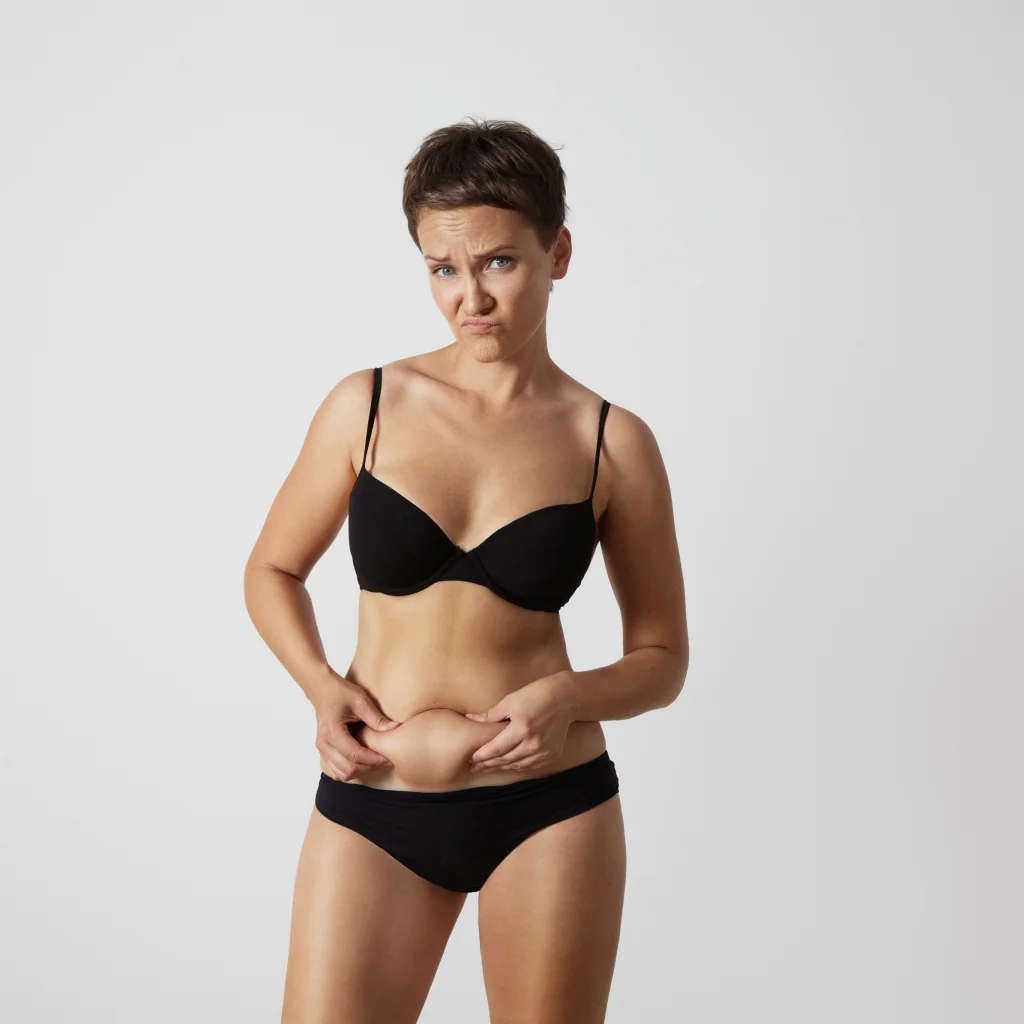
Weight changes during midlife are also nuanced. Lower estrogen, changing muscle mass, sleep disruption, stress, and aging can all alter where the body stores fat and how it responds to familiar routines. Restrictive plans may backfire if they leave you depleted or lead to muscle loss. A sustainable strategy usually centers on enough protein, strength training, regular movement, fiber-rich meals, and realistic nutrition habits. For some patients, medically supervised weight management may also be appropriate.
Treat the changes you can see without losing what looks like you
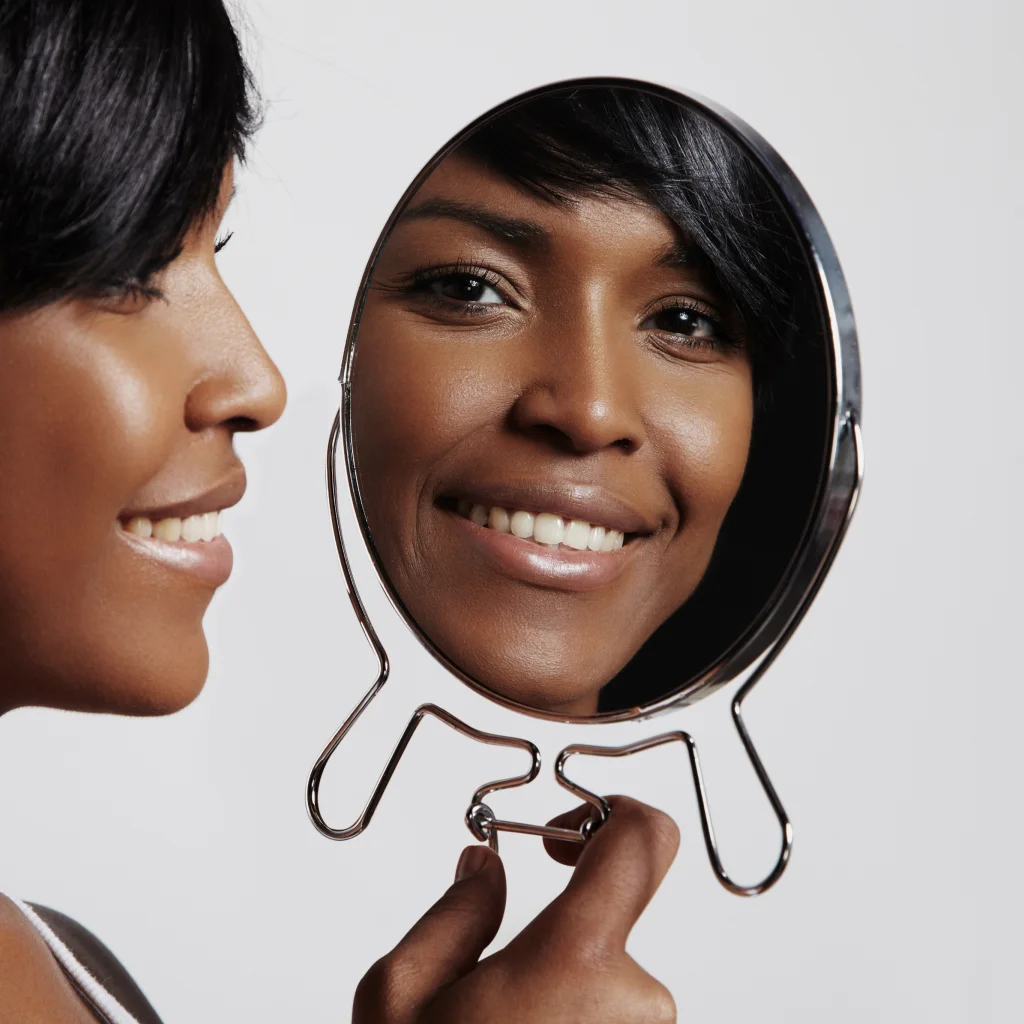
Menopause can make skin feel drier, thinner, less firm, or less luminous. Collagen production declines with age, and lower estrogen can further affect elasticity and hydration. A personalized skin plan can help restore a more rested, radiant appearance while preserving natural expression.
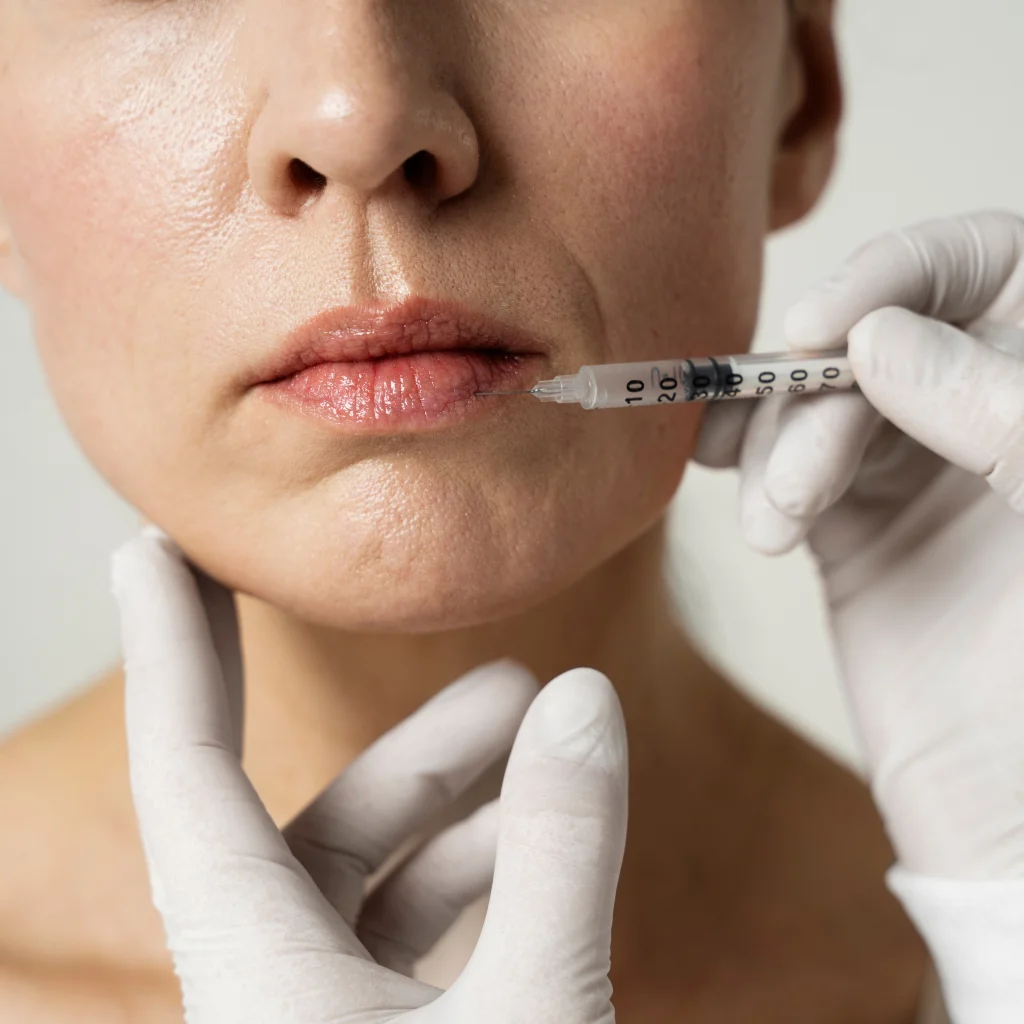
Daily broad-spectrum sunscreen, a gentle cleanser, moisturizer, and medical-grade skincare selected for your skin can form an excellent foundation. From there, treatments such as neuromodulators for expression lines, fillers for carefully restored volume, microneedling, PRP, laser procedures, or resurfacing may be considered based on skin tone, texture, downtime preferences, and goals.
These treatments do not replace medical menopause care, nor should they be presented as a cure for hormonal symptoms. They can, however, be a meaningful part of feeling confident in the face you see in the mirror. At Shine Medspa, aesthetic care is approached with the same principle that guides wellness care: your plan should be personal, medically informed, and designed to look like you at your best.
When to seek prompt medical guidance
Menopause can explain many changes, but it should never be used to dismiss concerning symptoms. Contact a medical professional promptly for bleeding after menopause, very heavy or unusual bleeding, chest pain, shortness of breath, a new breast lump, severe headaches, one-sided leg swelling, or sudden neurologic symptoms.
If hot flashes, anxiety, sleeplessness, or discomfort during intimacy are affecting your daily life, you do not need to wait until symptoms become unbearable. Earlier conversations often create more choices and make it easier to find a plan that feels manageable.
The most effective care is not about returning to a past version of yourself. It is about moving through this next chapter with comfort, clarity, and confidence – supported by treatment choices that respect both your health and the way you want to feel.