
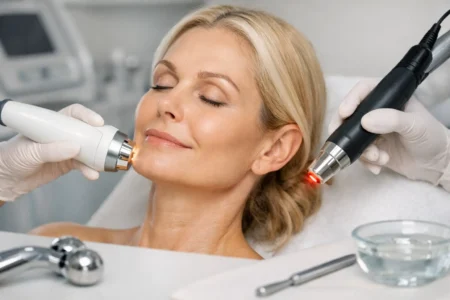
You may notice it first in photos – a softer jawline, a little creasing around the mouth, skin that no longer snaps back the way it used to. That is usually when the search for the best non surgical skin tightening begins. Most people are not looking to change their face. They want to look refreshed, firmer, and more like themselves again.
That is exactly why non-surgical tightening treatments have become such a mainstay in modern aesthetics. They can improve laxity without the downtime, scars, or commitment of surgery. But the best option is not the same for everyone. The right treatment depends on where the laxity is happening, how significant it is, your skin quality, and how quickly you want to see change.
What makes the best non surgical skin tightening treatment?
The phrase sounds simple, but there is no single universal winner. A treatment that is excellent for mild jawline laxity may not be the best fit for loose skin on the abdomen. A technology that gives gradual, natural-looking improvement may be ideal for one person and too subtle for another.
In most cases, the best non surgical skin tightening treatment is the one that matches three things well: your level of skin laxity, your tolerance for downtime, and your expectations for results. If the skin is only mildly loose, collagen-stimulating devices may create a beautiful improvement. If laxity is more advanced, non-surgical treatment may still help, but it may not deliver the lift a surgical procedure can provide.
That is an important distinction. Good providers do not promise surgical results from non-surgical treatments. They help you choose the most effective option for realistic, meaningful improvement.
How non-surgical skin tightening works
Most tightening treatments work by delivering controlled energy into the skin or tissue beneath it. That energy creates a healing response, which stimulates collagen and elastin production over time. As collagen rebuilds, the skin can look firmer, smoother, and more lifted.
Some treatments focus on the deeper structural layers. Others target the skin more superficially to improve texture along with tightness. Some also remodel fat, which can be helpful in areas like the lower face or body, but less helpful if volume loss is part of the aging process.
This is why treatment planning matters so much. Skin that looks loose is not always just a skin issue. Sometimes it is a combination of laxity, volume loss, thinning skin, and changes in the underlying support structures.
Radiofrequency treatments for skin tightening
Radiofrequency is one of the most popular categories for non-surgical tightening, and for good reason. It uses heat to stimulate collagen remodeling and can be used on both face and body.
For many patients, radiofrequency offers a strong balance of effectiveness and manageable downtime. Depending on the device, it can treat mild to moderate laxity in the cheeks, jawline, neck, abdomen, arms, or above the knees. Some treatments are gentle and require a series. Others are more intensive and produce more noticeable change after one session.
A treatment like Morpheus8 often stands out because it combines microneedling with radiofrequency energy. That combination can be especially helpful for people who want to improve not only skin laxity, but also texture, pore size, acne scarring, or crepey skin. It tends to appeal to patients who want more than a surface-level refresh.
The trade-off is downtime. You may have redness, swelling, and a sandpapery texture for several days, and the best results develop gradually. For patients willing to be patient, that collagen-building process can be worth it.
Ultrasound skin tightening
Ultrasound-based tightening treatments work differently. They deliver focused energy deeper below the skin to stimulate collagen in foundational layers that are harder to reach with other technologies.
This approach can be a very good fit for the brow area, under the chin, the neck, and the lower face. One of its biggest strengths is that it usually involves little to no downtime. Many people return to normal activities the same day.
The downside is that results are not immediate, and the treatment can be uncomfortable depending on the area and settings used. It also tends to work best for mild to moderate laxity. If someone has heavier tissue or more advanced sagging, ultrasound alone may not create enough visible change.
Still, for the right candidate, it can be one of the best non surgical skin tightening choices because it gives a subtle lift while preserving a natural appearance.
Laser-based tightening and resurfacing
Lasers can also play an important role, especially when skin laxity comes with sun damage, uneven tone, rough texture, or fine lines. Not every laser is a tightening treatment, but some resurfacing lasers trigger collagen renewal that improves firmness as the skin heals.
CO2 resurfacing is a good example of a treatment that can improve texture and create a tightening effect at the same time. It is often chosen by patients who want more dramatic skin rejuvenation, especially around the mouth, eyes, and cheeks.
The trade-off here is downtime. Laser resurfacing can involve redness, peeling, and a more involved recovery than other non-surgical options. It also requires careful attention to aftercare and sun protection. For the right person, though, it can create a beautiful improvement in skin quality that makes the skin look tighter, smoother, and younger overall.
Treatments that help indirectly
Sometimes the best plan is not a single tightening device. It is a combination approach.
If the lower face looks heavy because of volume loss and skin laxity, adding biostimulators or strategic filler may support the structure and improve contours. If the skin is thinning, regenerative treatments such as PRP may help improve quality. If there is fullness under the chin or along the jawline, reducing that fullness can make the skin look firmer even without aggressive tightening.
This is where customization matters most. A person in their forties with early jowling may benefit from one approach, while someone in their sixties with more pronounced laxity may need a layered plan or may decide surgery is the better investment.
How to choose the best non surgical skin tightening for your goals
The best place to start is not with a device name. It is with your goal.
If you want a modest, natural-looking refresh with very little downtime, ultrasound or a gentler radiofrequency treatment may make sense. If you want stronger collagen remodeling and are comfortable with a few days of recovery, radiofrequency microneedling may be the better fit. If skin texture, lines, and sun damage are major concerns along with laxity, laser resurfacing may offer more value.
Budget and timeline matter too. Some treatments are done once a year. Others work better as a series. Some show gradual improvement over three to six months, which is excellent for patients who want subtle change. Others require more recovery but can produce a more dramatic visible difference.
The treatment area also matters. The face, neck, and body do not always respond the same way, and a device that performs beautifully on the jawline may not be the top choice for the abdomen or upper arms.
Who gets the best results?
The happiest patients are usually the ones who treat early or moderate laxity before it becomes severe. Non-surgical tightening is often most rewarding when there is still enough skin elasticity and collagen-building capacity to respond well.
That does not mean older patients cannot benefit. They often can. But expectations should stay grounded. A quality treatment can improve firmness, soften crepiness, and refine contours. It may not erase hanging skin or recreate the lift of a surgical procedure.
Skin health also influences outcome. Sun exposure, smoking, age, hormonal shifts, and weight fluctuations can all affect collagen quality and how well your skin responds. A thoughtful provider will factor that in and may recommend pairing energy treatments with medical-grade skincare or regenerative options for a better overall result.
What to ask at your consultation
A good consultation should feel educational, not pushy. You should leave understanding why a treatment is being recommended, what kind of result is realistic, how many sessions you may need, and what recovery will look like.
It is also smart to ask whether the provider performs several tightening modalities or only one. When a practice offers multiple technologies, the recommendation is more likely to be based on fit rather than convenience. At Shine Medspa, that personalized approach is what helps patients feel confident they are choosing a plan that suits their skin, schedule, and comfort level.
Photos can help too. Not heavily edited marketing images, but real before-and-after examples from patients with similar concerns and skin types.
The real answer to “best”
The best non surgical skin tightening treatment is rarely the trendiest one. It is the one that respects your features, fits your lifestyle, and improves your skin in a way that still looks like you.
If you are starting to see looseness in the face, neck, or body, this is a good time to explore your options. Earlier treatment often gives you more choices, and the right plan can do more than tighten skin – it can restore that feeling of looking rested, confident, and beautifully cared for.

