Learn the key botox vs dysport differences, from onset and spread to dosing and results, so you can choose the best wrinkle treatment.

A few days can feel very long when you are staring at a frown line in the mirror and wondering when your injectable will kick in. That is often where the conversation around botox vs dysport differences begins – not in theory, but in real life. Most clients are not asking which one is more famous. They want to know which option fits their face, their timeline, and the kind of result they want to see.
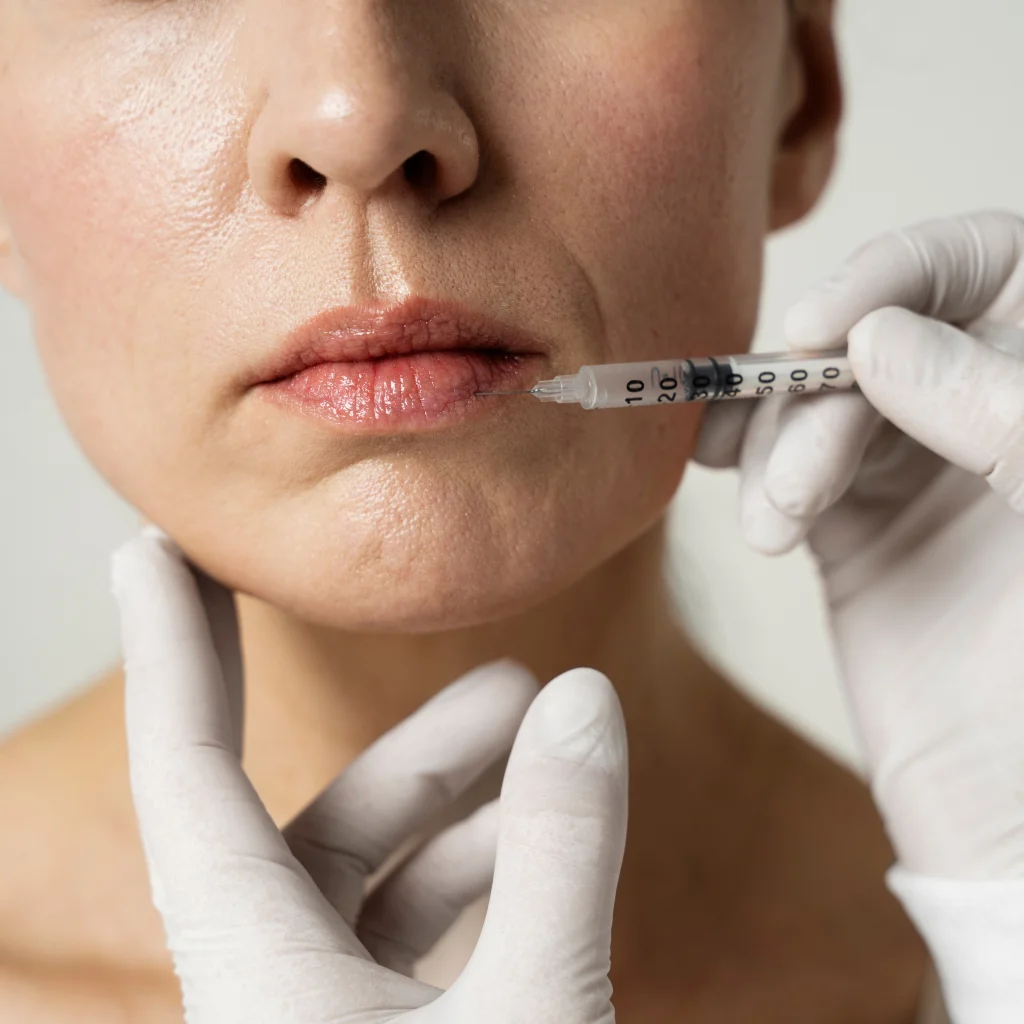
Both Botox and Dysport are FDA-approved neuromodulators used to soften dynamic wrinkles, especially lines caused by repeated facial movement. They work by temporarily relaxing targeted muscles, which helps smooth areas like the forehead, frown lines between the brows, and crow’s feet. They are similar in purpose, but they are not interchangeable in every situation.
Botox vs Dysport differences at a glance
The easiest way to understand Botox vs Dysport differences is to think in terms of formulation, diffusion, onset, and dosing. Both treatments use botulinum toxin type A, but they are manufactured differently and behave a little differently once injected.
Botox is often seen as the classic, highly recognizable option. Dysport is also well established and widely used, but many clients first hear about it when they are comparing alternatives. In skilled hands, both can create beautifully refreshed, natural-looking results. The best choice usually comes down to how your muscles move, which area is being treated, and how quickly you hope to see change.
How Botox and Dysport work
When facial muscles contract over and over, the skin folds in the same places. Over time, those folds become more visible as static lines, even when your face is at rest. Neuromodulators reduce that repetitive muscle activity, which softens expression lines and can help prevent deeper creasing from setting in.
Botox and Dysport both interrupt the signal between nerve and muscle. The goal is not to erase personality or make the face look frozen. A well-planned treatment should preserve expression while easing the lines that make you look tired, tense, or older than you feel.
That is why product choice matters less than treatment design. Placement, dose, muscle strength, facial anatomy, and injector experience all shape the outcome.
The biggest differences clients notice
Dysport may kick in a little faster
One of the most talked-about differences is speed. Dysport often begins to show sooner than Botox, sometimes within two to three days, while Botox may take closer to four to seven days to become noticeable. Full results for either treatment can still take up to two weeks.
If you have an event on the calendar and want a result that starts appearing a bit sooner, Dysport may be appealing. That said, faster is not automatically better. Some clients prefer the feel or pattern of onset they get with Botox, especially if they have had it before and know how their face responds.
Dysport tends to spread more
Dysport is known for having slightly greater diffusion, meaning it can spread a bit more from the injection point. This can be helpful in larger treatment areas like the forehead, where smooth, blended relaxation may be the goal.
Botox is often described as more contained or precise. That can make it especially useful in smaller areas or where highly targeted placement matters. Neither quality is universally superior. It depends on the treatment area and the look you want.
The units are not equivalent
This is where many people get confused. Botox units and Dysport units are measured differently, so you cannot compare the numbers one-to-one. A treatment with more Dysport units does not mean it is stronger or excessive. It simply reflects a different dosing scale.
For clients, the important takeaway is this: judge the treatment plan by the expertise behind it, not by the unit number alone. Comparing raw unit counts between brands does not give you a meaningful picture of value or results.
Duration is often similar, with some variation
Both Botox and Dysport typically last around three to four months, though this can vary. Your metabolism, muscle strength, treatment area, and history with neuromodulators all play a role. Some people feel one product lasts a little longer for them personally, but there is no universal winner.
That is why a personalized approach matters. Your injector may recommend sticking with what has worked well for you, or trying the other option if your goals, schedule, or response pattern suggest it could be a better fit.
Which areas can each treat?
Both products are commonly used for forehead lines, glabellar lines between the brows, and crow’s feet. Depending on the provider’s assessment and the approved uses in your setting, they may also be considered for other facial concerns involving muscle movement.
For broader areas, Dysport’s spread can sometimes be an advantage. For more defined or highly controlled placement, Botox may be preferred. This is not a strict rule. It is a clinical decision based on your anatomy, the strength of the muscles being treated, and the level of refinement needed.
For example, someone with a stronger frown pattern may do very well with either product, but the injector may lean one way based on how that person’s brows sit at rest, whether the forehead is compensating, and how much movement should remain for a natural expression.
Is one more natural-looking than the other?
This is a common concern, especially for first-time clients. The truth is that natural-looking results depend far more on injector technique than on whether you choose Botox or Dysport.
Either product can look soft, refreshed, and elegant when the treatment is customized properly. Either one can also look overdone if too much is used or if the facial balance is ignored. A polished result comes from respecting how the face moves as a whole, not just chasing one wrinkle in isolation.
That is why consultation matters. A thoughtful injector does not simply ask which product you want. They assess your muscle movement, discuss your comfort level, and understand whether you want a very smooth finish or a lighter touch that preserves more motion.
Cost considerations
Pricing can differ between Botox and Dysport, but it is not always useful to compare them by price per unit because the dosing scales are different. In some practices, Dysport may appear less expensive per unit, but more units are needed. The real question is the total treatment cost for your specific area and goals.
For some clients, the better value is the product that gives them the look they want with consistent longevity. For others, timing matters more, especially if they want quick improvement before a wedding, photo session, reunion, or work event.
A lower sticker price does not always equal a better treatment. Precision, planning, and outcome are what matter most.
Who may prefer Botox?
Botox is often a strong choice for clients who want a familiar option with a long track record, or for areas where highly targeted placement is ideal. It may also appeal to people who have used it before and liked the way their results looked and felt.
Some experienced neurotoxin clients are loyal to Botox simply because it is predictable for them. That predictability has value, especially when you know your face well and want consistency.
Who may prefer Dysport?
Dysport may be appealing if you want a treatment that can start showing a bit faster or if you are treating a broader area where a more blended spread may be beneficial. Some clients also report that Dysport feels very natural in motion, particularly in the forehead, though that experience is individual.
It can be an excellent option for first-time and returning clients alike, as long as the treatment plan is designed thoughtfully.
How to choose between them
The best answer is usually not brand-first. It is face-first. Your anatomy, muscle activity, treatment history, and goals should guide the decision.
If you are newer to injectables, it helps to come in with priorities rather than assumptions. Do you want quicker onset? Are you most focused on frown lines? Do you want very soft movement reduction or a smoother, more polished look? These details often matter more than brand preference alone.
At a well-qualified medspa, the consultation should feel collaborative and clear. You should understand why a product is being recommended, what kind of result to expect, and when to schedule your treatment if timing matters. For clients in Eastern Massachusetts and Southern New Hampshire, that level of personalized guidance can make the experience feel far more reassuring.
The real takeaway on botox vs dysport differences
When people ask which one is better, the more honest answer is that better depends on the face in front of you. Botox and Dysport are both effective, trusted treatments. The difference is not about choosing the trendy option or the luxury option. It is about selecting the right tool for your anatomy and your goals.
A beautiful injectable result should not announce itself the moment you walk into a room. It should simply make you look more rested, more open, and more like yourself on your best day. If you are weighing Botox and Dysport, let the decision be guided by expertise, not guesswork – because confidence tends to look best when the treatment feels tailored to you.