Learn how to prepare for microblading with simple steps that protect your results, reduce irritation, and help your brows heal beautifully.

Great brows do not start when the pigment touches the skin. They start in the days leading up to your appointment.
If you have been wondering how to prepare for microblading, the goal is simple: arrive with calm skin, a clear plan, and realistic expectations. A little preparation can make a noticeable difference in comfort, pigment retention, and how smoothly your healing process goes. It also helps your artist create the most flattering, balanced result for your features.
Why preparation matters before microblading
Microblading is a form of cosmetic tattooing that places pigment into the skin using fine, hair-like strokes. Because the skin is part of the result, what you do before your appointment matters. Skin that is irritated, overly sensitive, sunburned, inflamed, or freshly treated can bleed more, hold pigment less evenly, and heal less predictably.
Preparation also affects symmetry and color. If you arrive after using strong exfoliants, having recent facial treatments, or overexposing your skin to the sun, your brow area may not behave the way your artist expects. That does not always mean a poor result, but it can make the process less precise.
The other reason to prepare well is confidence. Microblading is a beauty treatment, but it is also a decision. When you understand the process and know what your skin needs, you are much more likely to feel relaxed and happy with your investment.
How to prepare for microblading in the week before
The best approach is to think of the week before your appointment as a skin-protection window. Your brows should be left alone as much as possible.
Avoid waxing, threading, tinting, or laminating your brows right before microblading unless your provider specifically tells you otherwise. Your artist usually wants to see your natural growth pattern and work with the brow shape you already have. Over-grooming can remove useful guide hairs and irritate the skin.
You should also pause active skincare near the brow area. Retinoids, retinol, glycolic acid, salicylic acid, benzoyl peroxide, and other exfoliating or acne-focused products can make skin more sensitive. That sensitivity may increase discomfort during treatment and can affect healing afterward. If you use prescription skincare, ask your provider how long you should stop before your appointment.
Sun exposure is another issue people underestimate. A mild burn or even lingering heat in the skin can make you a poor candidate for treatment that day. If you have been spending time outdoors, protect your face carefully and avoid tanning before your appointment.
If you are prone to breakouts around the forehead or brow area, keep your routine simple and consistent. Now is not the time to try a new facial oil, peel pad, or treatment serum.
What to avoid 24 to 48 hours before your appointment
When clients ask how to prepare for microblading, this is often the part that matters most for the actual appointment experience.
Avoid alcohol the day before and the day of your visit. Alcohol can thin the blood, which may lead to more bleeding during the procedure. More bleeding can make pigment retention less predictable.
It is also wise to avoid excessive caffeine right before your appointment. That does not mean every client must skip coffee completely, but large amounts can increase sensitivity or make you feel jittery while you are trying to sit still.
Many providers also recommend avoiding ibuprofen, aspirin, fish oil, vitamin E, and certain supplements that may thin the blood, unless they are medically necessary. This is where nuance matters. Never stop a prescribed medication without guidance from the prescribing provider. If you take anything that affects bleeding, let your microblading professional know in advance so they can advise you appropriately.
Intense workouts right before the appointment are not ideal either. Heavy sweating and flushed skin can leave the brow area more reactive than usual.
Skin treatments that may require more time
Not every face is ready for microblading on short notice. Some treatments need more space between appointments.
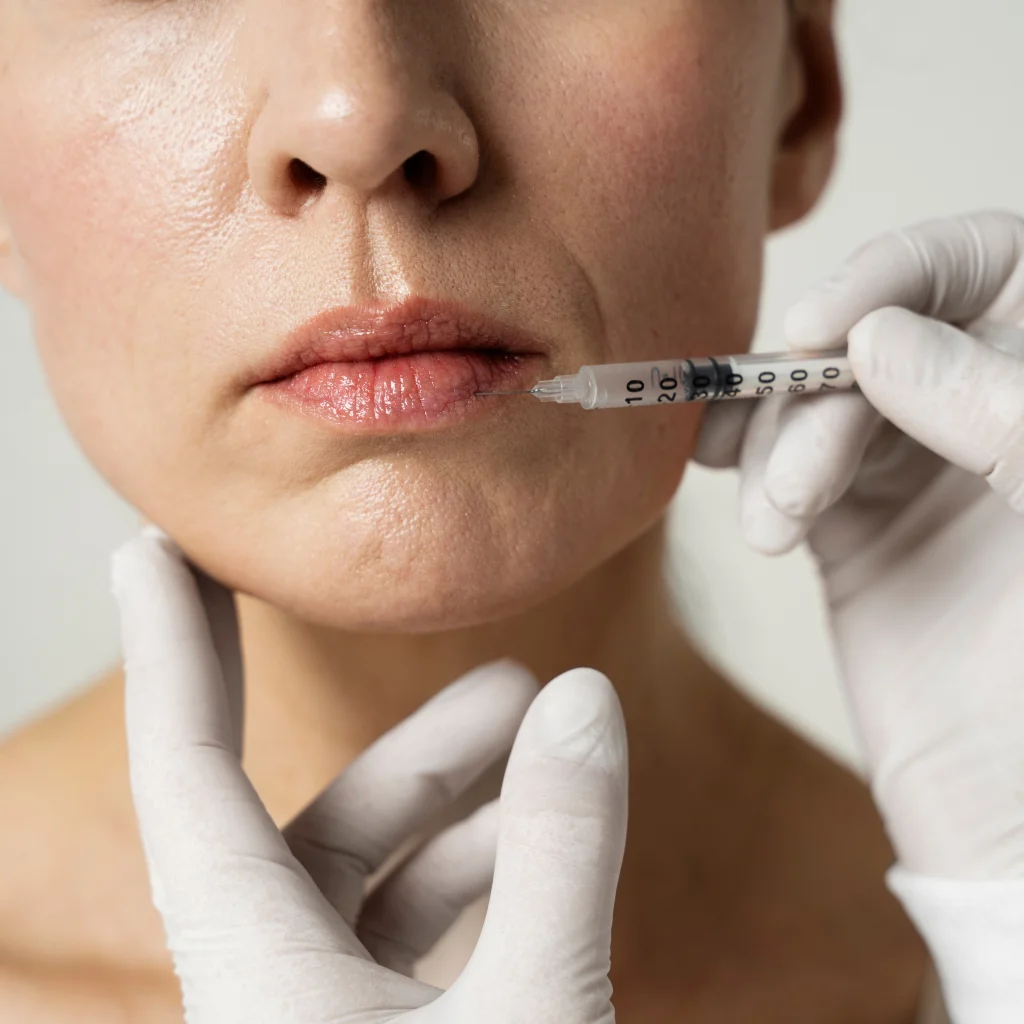
If you recently had Botox or fillers around the upper face, ask how long you should wait before microblading. Small shifts in muscle movement or swelling can affect brow positioning. If you recently had a chemical peel, laser treatment, microneedling, or resurfacing, your skin may need longer to fully settle.
This is especially important for clients who regularly invest in advanced aesthetics. Beautiful results often come from a well-planned treatment timeline, not from stacking services too closely together. If you work with a provider who understands the full picture of facial aesthetics, they can help you schedule treatments in the right order.
How to choose the right brow look before you arrive
Preparation is not only physical. It is also visual.
Come to your appointment with a general sense of what you like, but leave room for professional guidance. Photos can be helpful, especially if they show the level of fullness or softness you prefer. Still, someone else’s brows may not suit your bone structure, skin type, or natural hair pattern.
The most flattering microblading usually looks like an elevated version of your own brows, not a copy of someone else’s. A skilled artist will consider your face shape, brow muscle movement, existing hair, skin tone, and lifestyle before finalizing the design.
If you wear makeup daily, think about how you like your brows to look when your face is fully done. If you prefer a minimal routine, say that too. This treatment should support your real life, not create a new standard you feel pressured to match every morning.
What to do on the day of your appointment
Arrive with clean skin and no brow makeup if possible. That gives your artist a true view of your natural shape, skin condition, and any areas of asymmetry.
Wear something comfortable. You will be lying still for a while, and being physically relaxed helps. Eat beforehand so you are not going into the appointment hungry or lightheaded. A balanced meal and good hydration can make the experience easier.
Build in extra time mentally. Microblading is detail-oriented work, and the mapping process should not feel rushed. The design stage is one of the most important parts of the appointment because it sets the foundation for the final result.
If you are nervous, that is normal. Ask questions. A polished, experienced provider will welcome them and explain what they are doing throughout the process.
Who may need a more personalized consultation
Some clients should have a more detailed conversation before booking or before treatment begins. If you are pregnant or nursing, have a history of keloids, are undergoing chemotherapy, have uncontrolled diabetes, active skin conditions near the brow area, or have had previous permanent makeup done, your plan may need to be adjusted.
Skin type matters too. Oily skin, mature skin, and skin with larger pores can still be treated, but technique and expectations may differ. In some cases, a provider may recommend a different brow service or a combination approach instead of traditional microblading alone.
That is not a disappointment. It is good clinical judgment. The best result is not about forcing one treatment to fit everyone. It is about choosing the approach most likely to heal beautifully on your skin.
Set expectations for healing, not just the appointment
Part of knowing how to prepare for microblading is understanding that the brows you see on day one are not the final result. Fresh brows often look darker, sharper, and more defined at first. Then they soften as the skin heals.
There is usually a healing period that includes light flaking, temporary patchiness, and gradual color settling. This is normal. A touch-up appointment is typically part of the process because small adjustments help refine shape, density, and retention after the skin has healed.
The clients who are happiest with their results tend to think beyond the first appointment. They plan for healing time, follow aftercare instructions carefully, and understand that beautiful brows are built in stages.
A few final ways to make your appointment feel easier
Try not to schedule microblading right before a major event. Give yourself time to heal without pressure. If you can, avoid booking it during a week when your stress level is already high or your calendar is packed.
It also helps to think of your appointment as part of a bigger self-care decision, not a rushed beauty errand. Whether you are brand new to aesthetics or already familiar with advanced treatments, the best experience comes from choosing a provider who values customization, safety, and natural-looking results.
When you prepare thoughtfully, microblading feels less intimidating and much more exciting. Come in with healthy skin, clear communication, and a little patience, and you give your brows the best chance to heal into something beautifully effortless.