This guide to body contouring treatments explains non-surgical options, candidacy, results, recovery, and how to build a plan that fits your goals well.

A stubborn lower belly, a softer jawline, or skin that no longer feels as firm as it once did can be frustrating – especially when your healthy habits are already in place. This guide to body contouring treatments is designed to help you understand what non-surgical options can realistically accomplish, how they differ, and how to choose a plan that feels right for your body and lifestyle.
Body contouring is not about chasing someone else’s shape. It is about refining the areas that keep you from feeling fully at home in your own skin. With the right technology, a thoughtful treatment plan, and realistic expectations, many clients can achieve a smoother, firmer, more defined appearance without surgery or a lengthy disruption to daily life.
What Body Contouring Can Treat
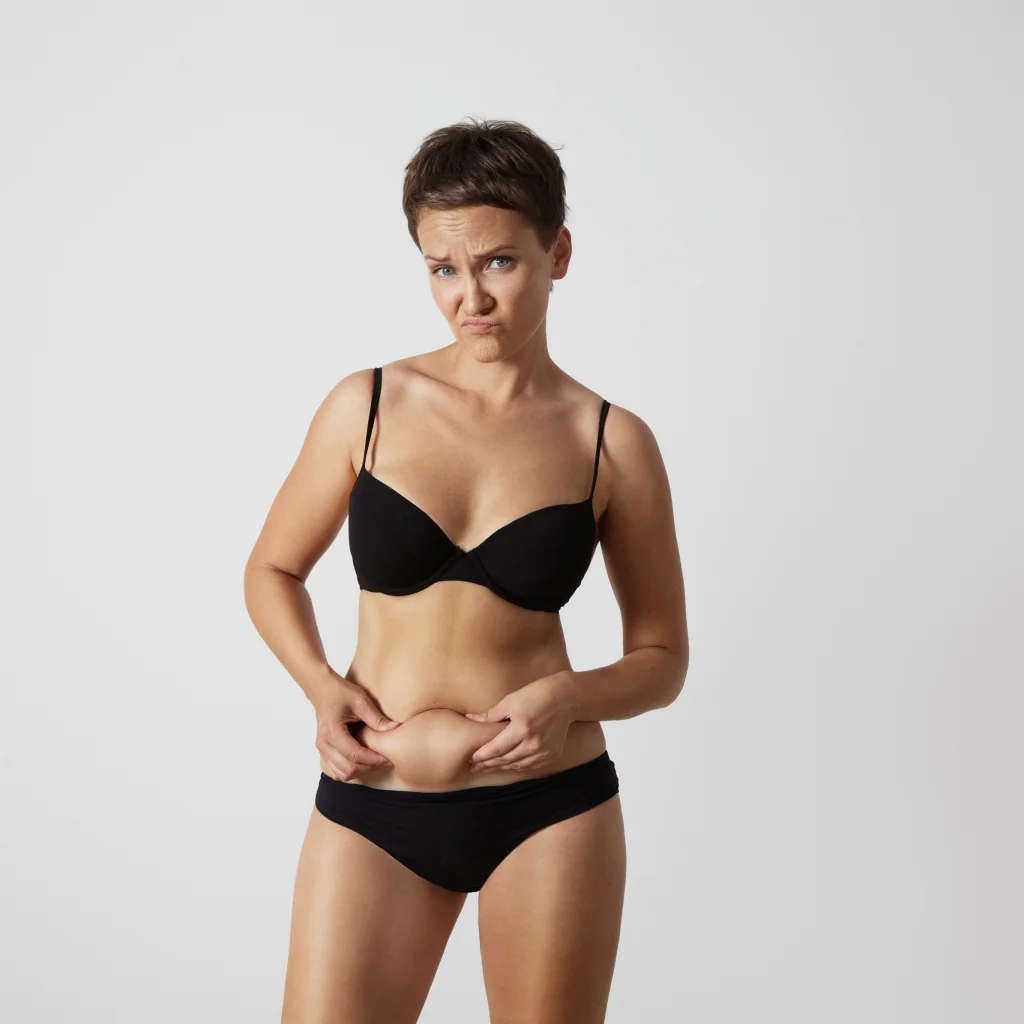
Non-surgical body contouring uses advanced energy-based technologies to address concerns such as localized fat, reduced muscle tone, loose skin, and cellulite. The best treatment depends on what is creating the concern in the first place. A fullness around the abdomen, for example, may be related to small fat pockets, weakened core muscles, skin laxity, or a combination of all three.
This distinction matters. A treatment that targets fat may reduce a small, resistant area but will not create the same effect as a muscle-stimulating treatment. Similarly, skin tightening can improve crepey texture and mild laxity, but it cannot replace the results of surgical skin removal when loose skin is significant.
Body contouring is often considered for the abdomen, flanks, thighs, buttocks, upper arms, back, and under the chin. The goal is refinement, not dramatic weight loss. Clients who are close to a stable, healthy weight typically see the most satisfying results because treatment can focus on the details that diet and exercise alone may not change.
Your Guide to Body Contouring Treatments: Know Your Options
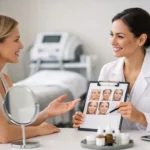
A personalized consultation begins with a closer look at your anatomy, goals, health history, and timeline. From there, your provider may recommend one treatment approach or combine modalities for a more complete result.
Fat reduction treatments
Non-invasive fat-reduction treatments use controlled energy to affect fat cells beneath the skin. Depending on the technology, this may involve heat, cooling, or radiofrequency energy. Over time, the body processes the treated fat cells, creating a gradual reduction in fullness.
These treatments are best for people with pinchable, localized fat that remains despite consistent nutrition and movement. They are not a substitute for medical weight loss, and they do not address visceral fat – the fat stored deeper around internal organs. Results develop gradually, often over several weeks to a few months, and the degree of change depends on the treatment area, the amount of fat present, and your individual response.
Muscle stimulation and definition
For clients who want more visible definition in the abdomen, buttocks, thighs, or arms, electromagnetic muscle stimulation may be an appealing option. These treatments trigger powerful muscle contractions that go beyond what most people can achieve during a conventional workout.
Muscle stimulation can support a firmer, more toned appearance and may be especially helpful after weight loss, pregnancy, or a period when exercise has been inconsistent. It is not a replacement for strength training, but it can complement an active lifestyle beautifully. Some clients combine muscle-focused sessions with fat reduction to improve both contour and definition in the same area.
Skin tightening treatments
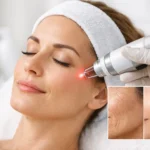
Skin laxity can make an area appear less defined even when there is little excess fat. Radiofrequency and other energy-based treatments gently heat targeted tissue to encourage collagen remodeling. As new collagen develops, skin may look smoother, firmer, and more supported.
The effect is usually gradual and subtle to moderate, rather than instant. Skin quality, age, sun exposure, weight fluctuations, and genetics all influence the outcome. For mild to moderate laxity, tightening treatments can be an elegant way to improve texture and contour without incisions. For more pronounced loose skin, your provider should be candid about whether a non-surgical option is likely to meet your expectations.
Cellulite-focused care
Cellulite is extraordinarily common, including among people who are fit and at a healthy weight. It occurs when fibrous bands beneath the skin pull downward while fat pushes upward, creating dimpling. Because cellulite is structural, creams and workouts rarely erase it.
Certain body treatments can improve the appearance of cellulite by smoothing the skin, supporting collagen production, and addressing tissue quality. Improvement may be meaningful, but maintenance can be part of the plan. The goal is often softer, smoother-looking skin rather than the promise of perfection.
Who Is a Good Candidate?
The ideal candidate is generally in good overall health, near a stable weight, and seeking improvement in specific areas rather than a major change on the scale. You should also be prepared for gradual results. Most non-surgical treatments work with your body’s natural processes, which means visible change takes time.
A consultation is essential if you are pregnant or breastfeeding, have a medical device or metal implant, have a history of hernia in the treatment area, take certain medications, or have a condition that affects healing, circulation, sensation, or fat metabolism. Your provider can determine whether treatment is appropriate and recommend alternatives when needed.
Equally important is your reason for pursuing treatment. The most rewarding plans begin with a personal goal: feeling more comfortable in fitted clothing, restoring confidence after a body change, or celebrating the work you have already put into your wellness. Those goals create a healthier foundation than trying to meet an unrealistic ideal.
What Results and Recovery Really Look Like
One of the greatest advantages of non-surgical contouring is convenience. Many sessions require little to no downtime, allowing you to return to work, family responsibilities, and your usual routine shortly afterward. You may experience temporary warmth, redness, tenderness, swelling, or muscle soreness, depending on the technology used and the area treated.
Results are not usually immediate. Fat reduction and skin tightening depend on biological changes that develop over time, while muscle stimulation may create an early sense of firmness that builds with a series of treatments. Your provider may recommend multiple sessions spaced over several weeks for the best outcome.
Photos, measurements, and how clothing fits can offer a more useful picture of progress than the scale. Body contouring changes shape and tissue quality, not necessarily body weight. Taking consistent before-and-after photos also helps you see gradual improvements that can be easy to miss day to day.
How to Build a Treatment Plan That Makes Sense
The most effective plan is rarely based on a single trendy treatment. It is built around your starting point and priorities. If your main concern is abdominal fullness, fat reduction may be the focus. If the area also lacks tone, adding muscle stimulation could create a more sculpted result. If skin laxity is part of the picture, skin tightening may deserve a place in the plan as well.
Your timing matters, too. If you have a vacation, wedding, or milestone event ahead, schedule your consultation well in advance. Since many treatments produce gradual changes, beginning several months before an event provides more flexibility and avoids the pressure of expecting a last-minute transformation.
Maintaining your results still comes back to the habits that support your health: stable weight, protein-rich nutrition, strength training, hydration, sleep, and stress management. Body contouring can enhance your efforts, but it works best as part of a bigger commitment to feeling well.
At Shine Medspa, body contouring begins with listening. A personalized consultation can clarify what is possible, which technologies align with your goals, and whether combining treatments will give you the natural-looking refinement you want. The right next step is not choosing the most aggressive option – it is choosing the plan that helps you feel more confident every time you look in the mirror.