
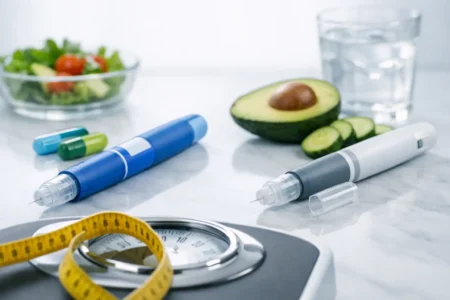
A number on the scale can feel deeply personal – especially when you have been eating thoughtfully, moving more, and still not seeing the change you expect. Medical weight loss medications can offer meaningful support, but choosing between them should never be reduced to which one is trending online. In the conversation around semaglutide vs tirzepatide weight loss, the better option is the one that fits your health history, goals, lifestyle, and ability to stay consistent with care.
Both medications can help eligible adults lose a significant amount of weight when paired with nutrition, activity, and ongoing medical guidance. They are not quick fixes, and they are not interchangeable. Understanding the differences can help you enter a consultation feeling informed, hopeful, and ready to make a confident decision.
How semaglutide and tirzepatide work
Semaglutide is a GLP-1 receptor agonist. GLP-1 is a naturally occurring hormone involved in appetite regulation, insulin release, and blood sugar management. By acting on this pathway, semaglutide can help you feel full sooner, stay satisfied longer, and experience fewer persistent thoughts about food. It also slows stomach emptying, which contributes to that fuller feeling after meals.
Tirzepatide works on the GLP-1 pathway too, but it also activates a second hormone receptor called GIP. GIP is involved in insulin response and energy balance. This dual action may be one reason tirzepatide has produced greater average weight-loss results in clinical research for many participants.
Both are prescription medications typically given as a once-weekly injection. Doses are gradually increased over time, allowing the body to adjust and helping reduce gastrointestinal side effects. The pace is intentional: a thoughtful titration schedule can make the experience more comfortable and sustainable.
Semaglutide vs tirzepatide weight loss results
The most noticeable difference for many people is the average amount of weight lost in clinical trials. In a large semaglutide study of adults with overweight or obesity, participants lost about 15% of their starting body weight on average over 68 weeks when medication was combined with lifestyle support.
Tirzepatide studies have shown average losses ranging from roughly 15% to more than 20% of starting body weight over about 72 weeks, depending on the dose and the study population. A direct comparison trial also found that tirzepatide led to greater average weight loss than semaglutide.
Those results are encouraging, but averages do not predict an individual outcome. Some people respond exceptionally well to semaglutide. Others may experience stronger appetite control with tirzepatide. Weight loss can be influenced by dose tolerance, sleep, stress, hormones, medical conditions, nutrition habits, physical activity, and whether treatment can be continued long term.
It is also helpful to redefine success beyond a single goal weight. Losing even 5% to 10% of body weight may improve mobility, energy, metabolic markers, and confidence. For some clients, the greatest win is not simply smaller clothing sizes. It is feeling less consumed by hunger, more comfortable in photos, and more able to participate fully in everyday life.
Side effects: similar, but not identical
Because both medications affect appetite and digestion, their most common side effects are similar. Nausea, constipation, diarrhea, vomiting, indigestion, bloating, and fatigue can occur, particularly during dose increases. Many people find these effects manageable with slower dose adjustments, smaller meals, adequate hydration, protein-focused nutrition, and clear communication with their provider.
Neither medication should be approached with a “push through no matter what” mindset. Severe or ongoing symptoms deserve prompt medical attention. Your care plan should be adjusted when needed rather than leaving you uncomfortable or discouraged.
Both medications carry important safety considerations. They are generally not appropriate for people with a personal or family history of medullary thyroid carcinoma or multiple endocrine neoplasia syndrome type 2. A provider will also review a history of pancreatitis, gallbladder disease, kidney concerns, digestive disorders, diabetes medications, and other prescriptions.
These medications are not recommended during pregnancy, and anyone planning a pregnancy should discuss timing and medication discontinuation with a qualified medical professional. Tirzepatide can affect the reliability of oral birth control during dose escalation, so additional contraceptive guidance may be needed.
Who may be a better fit for semaglutide?
Semaglutide may be a strong option for someone who wants a well-established GLP-1 medication, has insurance coverage that favors it, or prefers to begin with one hormone pathway rather than a dual-action medication. It can be an excellent choice for clients who need meaningful appetite support but do not necessarily need the highest average weight-loss outcomes seen in research.
It may also be the right answer when your previous experience, current medications, or side-effect profile make it the more practical option. The “best” medication is the one you can tolerate, afford, access consistently, and use as part of a realistic long-term plan.
Who may be a better fit for tirzepatide?
Tirzepatide may be appealing for clients seeking the potential for greater average weight loss, especially when there is a significant amount of weight to lose or when metabolic health is a central concern. Its dual GLP-1 and GIP activity can offer stronger appetite and blood sugar support for some individuals.
Still, greater average results do not automatically make tirzepatide the right first choice for everyone. Availability, insurance requirements, out-of-pocket cost, previous medication response, and tolerability all matter. A medication that looks ideal on paper is only valuable if it fits comfortably into your life and care plan.
The role of nutrition, muscle, and ongoing support
Medication can quiet the biological pressure to overeat, but it cannot replace the habits that help protect your health and results. As appetite decreases, many people need support learning how to eat enough protein, fiber, and nutrient-dense foods without skipping meals entirely. Under-eating protein can contribute to loss of lean muscle along with body fat.
Strength training, walking, sleep, hydration, and stress management are not punishments or add-ons. They help preserve muscle, improve body composition, and make maintenance more achievable. A personalized plan should respect your schedule, food preferences, fitness level, and relationship with your body.
Medical follow-up matters just as much. Weight loss is rarely perfectly linear, and plateaus are normal. Regular check-ins allow your provider to monitor side effects, review progress beyond the scale, adjust dosing appropriately, and help you navigate changes without resorting to extreme restrictions.
Cost and coverage deserve an honest conversation
Coverage for prescription weight-loss medication varies widely. Some insurance plans cover one medication but not another, require prior authorization, or limit coverage based on certain health criteria. Costs can also change over time, so it is wise to ask about the full financial picture before beginning treatment.
Do not let a lower sticker price be the only deciding factor. Consider whether you can maintain the medication and recommended follow-up plan for the time needed to reach and sustain your goals. Stopping either medication can lead to a return of appetite and weight regain for many people, which reflects the chronic, biological nature of weight management – not a lack of willpower.
A personalized choice is the most powerful one
At Shine Medspa, medical weight loss begins with listening. A careful consultation can clarify your health history, body-composition goals, lifestyle, and concerns around side effects or cost. From there, your provider can recommend a plan designed to support more than weight loss alone – helping you feel stronger, more comfortable, and more like yourself.
The right medication is not the one that promises the fastest transformation. It is the one that supports your health, respects your life, and gives you a sustainable path toward feeling your best.

