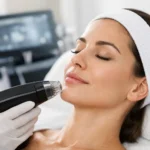
Our guide to laser skin resurfacing explains treatment options, recovery, results, and how a personalized plan can renew your confidence for smoother skin.

Fine lines that gather around the mouth, sun spots that no longer fade with skincare, or acne scars that catch the light can make skin feel less like you. This guide to laser skin resurfacing explains what treatment can realistically improve, what recovery requires, and how to choose an approach that respects both your goals and your lifestyle.
Laser resurfacing is not about changing your face. At its best, it helps reveal smoother, clearer, more luminous skin while preserving the features that make you recognizable. The right treatment plan is highly personal, shaped by your skin tone, concerns, history, downtime tolerance, and the level of correction you want.
What Laser Skin Resurfacing Can Improve
Laser skin resurfacing uses precisely controlled energy to create a healing response in the skin. Depending on the technology and settings used, the laser may remove a portion of the skin’s outer layers, heat deeper tissue, or do both. That controlled process encourages collagen renewal and fresh skin-cell turnover over time.
Patients often seek resurfacing to soften fine lines, improve crepey texture, reduce sun damage and brown spots, minimize enlarged pores, and smooth the appearance of acne scars or surgical scars. It can also restore a more even, refined quality to skin that looks dull or weathered.
The word “resurfacing” can sound like one treatment, but it describes a category. A gentle procedure may refresh texture with minimal social downtime. A more intensive procedure can create a greater change in deeper wrinkles and scars, but it asks more of your schedule and aftercare. Neither is automatically better. The meaningful question is which option is appropriate for your skin and priorities.
A Guide to Laser Skin Resurfacing Options
Ablative laser resurfacing
Ablative lasers remove microscopic columns or layers of skin while delivering heat into the underlying tissue. Fractional CO2 resurfacing is a well-known example. Because it creates a more significant renewal process, it can be an excellent choice for pronounced lines, sun damage, texture concerns, and certain scars.
The trade-off is recovery. Redness, swelling, warmth, peeling, and temporary sensitivity are expected parts of healing. Many patients plan several days to two weeks before they feel comfortable returning to regular social activities, although residual pinkness can last longer. Results continue to evolve as collagen remodels in the months after treatment.
Non-ablative laser resurfacing
Non-ablative lasers heat targeted layers beneath the skin’s surface without removing the outer layer in the same way. These treatments generally involve less downtime and can work beautifully for early signs of aging, mild discoloration, and overall texture refinement.
Because the treatment is gentler, a series may be recommended for the level of improvement you want. This is often a smart fit for busy professionals, parents, or anyone who prefers gradual improvement over a more intensive recovery period.
Fractional treatment and why it matters
Many modern lasers use fractional technology, which treats tiny, evenly spaced channels of skin while leaving surrounding tissue intact. The untreated skin supports faster healing. Fractional treatments can be ablative or non-ablative, and your provider can adjust settings based on the concern being addressed.
For example, a plan focused on fine texture and early photoaging may look very different from one designed to improve deeper acne scarring. This is why a thoughtful consultation matters more than choosing a treatment solely by its name.
Are You a Good Candidate?
Healthy adults with realistic expectations are often good candidates, but laser resurfacing should never be treated as a one-size-fits-all service. Your provider should review your medical history, current skincare, medications, previous cosmetic procedures, history of cold sores, and any tendency toward hyperpigmentation or abnormal scarring.
Skin tone deserves particular attention. Melanin-rich skin can be treated safely, but the settings, preparation, device choice, and post-treatment care must be carefully selected to lower the risk of post-inflammatory hyperpigmentation. In some cases, another energy-based treatment or a gradual series may be the more conservative and effective path.
Active acne, an active skin infection, recent significant sun exposure, or certain medications may mean it is best to postpone treatment. Pregnancy and breastfeeding may also affect timing for elective aesthetic procedures. A qualified medical aesthetics provider will be comfortable telling you when waiting is the safest choice.
How to Prepare for Your Appointment
Preparation protects your results. In the weeks before treatment, avoid tanning, self-tanner, and unnecessary sun exposure. Consistent broad-spectrum SPF is essential, especially in the months before and after resurfacing. Sun exposure on healing skin can increase the chance of uneven pigmentation and prolong redness.
Your provider may ask you to pause retinoids, exfoliating acids, or other active products before treatment. Do not make those changes based on guesswork. Follow the instructions you receive, since the right timeline depends on the laser and your current skincare regimen.
If you have a history of cold sores, mention it even if your last outbreak was years ago. Laser treatment around the mouth can trigger a recurrence, and preventive medication may be recommended. Arrive with clean skin and give yourself permission to clear your calendar afterward. Recovery is not the time to test how quickly you can return to every obligation.
What Recovery Actually Feels Like
Immediately after treatment, skin may feel warm, tight, and similar to a significant sunburn. Swelling is common, particularly around the eyes. Over the next several days, you may see bronzing, dryness, flaking, or peeling as the skin renews itself. More intensive ablative procedures require more structured wound care and longer recovery.
Your aftercare plan may include gentle cleansing, a healing ointment or moisturizer, strict sun avoidance, and instructions on when to restart normal skincare. Resist picking at flakes or peeling skin. It can be tempting, but it increases the risk of irritation, infection, and unwanted marks.
Makeup should wait until your provider confirms that your skin has healed enough. Exercise, heat exposure, saunas, and hot showers may also need to be limited briefly because they can worsen flushing and swelling. If you have unusual pain, increasing redness, drainage, blistering, or any concern that feels out of proportion to your instructions, contact your treating provider promptly.
When Will You See Results?
Some improvement becomes visible once the initial peeling and swelling settle, but collagen renewal is not immediate. Skin often continues to look smoother, firmer, and more even over several weeks to months. A strong sunscreen habit and a personalized medical-grade skincare routine can help protect that investment.
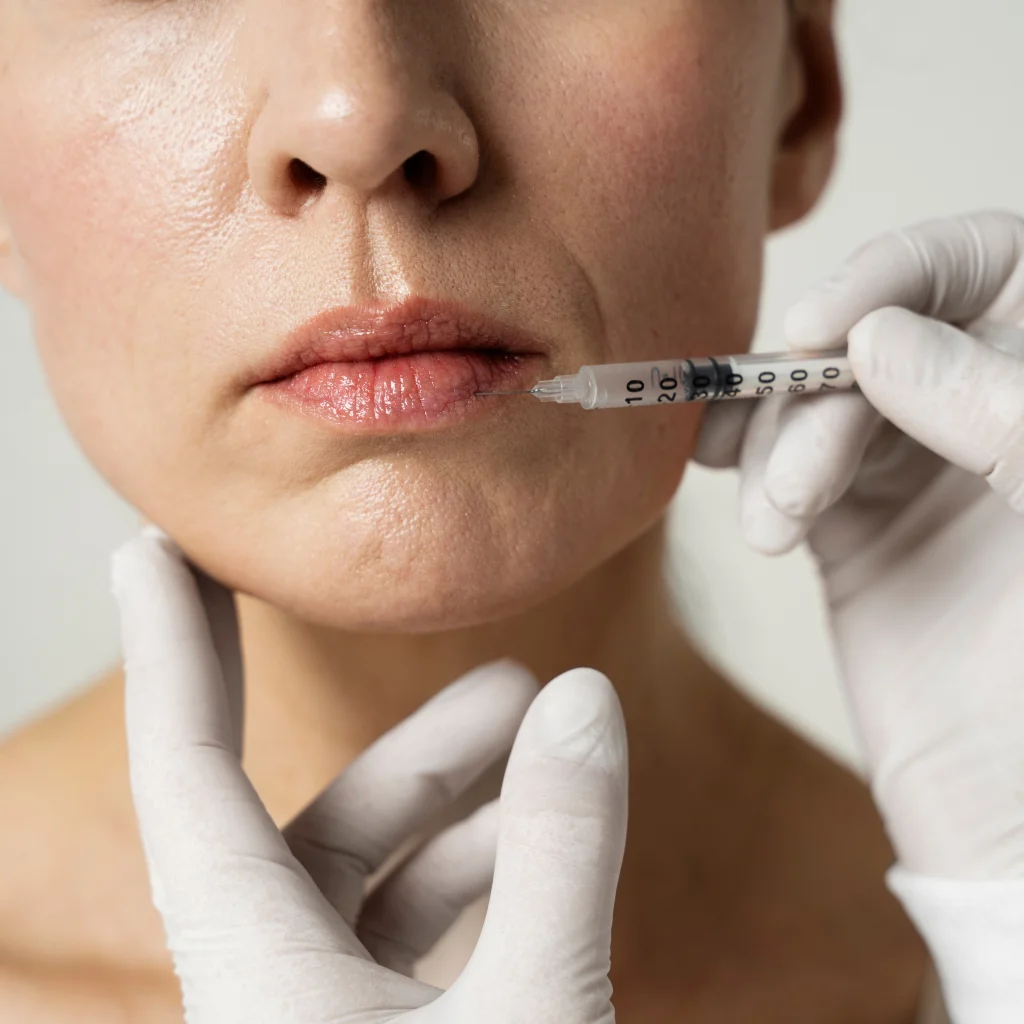
Results are long-lasting, especially for texture and scar improvement, but laser resurfacing does not stop natural aging or future sun damage. Many patients maintain their glow with periodic gentler treatments, targeted skincare, neuromodulators, fillers, or other collagen-supporting services. The best maintenance plan should feel realistic, not overwhelming.
Questions Worth Asking at Your Consultation
A consultation should leave you clear on the type of laser recommended, the expected number of treatments, the amount of downtime, and the specific improvement you can reasonably expect. Ask what the healing process looks like day by day, how your provider approaches your skin tone and pigmentation risk, and what aftercare products you will need.
It is also fair to ask whether laser resurfacing is the best first step. Deep volume loss, dynamic wrinkles, laxity, or certain pigmentation concerns may respond better to a combined plan rather than laser treatment alone. At Shine Medspa, personalized planning is designed to help each patient pursue visible refinement without losing sight of comfort, safety, and natural-looking results.
Beautiful skin is not defined by perfection. It is the confidence that comes from seeing a healthier, more radiant reflection and knowing your treatment plan was chosen with care.