
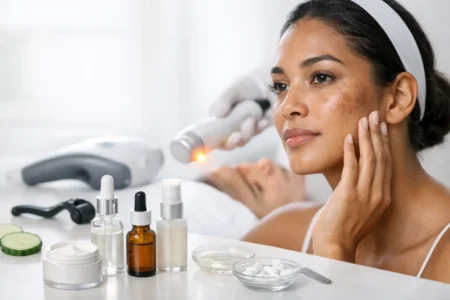
A dark spot can make otherwise healthy skin feel uneven, tired, or older than it is. The best treatments for hyperpigmentation are not one-size-fits-all because the right approach depends on what caused the discoloration, how deep the pigment sits, your skin tone, and how reactive your skin may be. The most beautiful results come from a thoughtful plan that fades visible pigment while helping prevent it from returning.
Why hyperpigmentation needs a personalized plan
Hyperpigmentation occurs when the skin produces excess melanin, its natural pigment. Sun exposure is a major trigger, but it is far from the only one. Post-inflammatory hyperpigmentation can linger after acne, a rash, an injury, waxing, or irritation from an overly aggressive product. Melasma often appears in symmetrical patches on the cheeks, forehead, or upper lip and may be influenced by hormones, heat, and sunlight.
This distinction matters. A treatment that is ideal for sun spots may not be the first choice for melasma. Likewise, treating darker skin too aggressively can create inflammation and lead to more discoloration. A skilled aesthetic provider will look at the pattern, color, location, and history of the pigment before recommending a treatment plan.
If a new spot is changing quickly, has irregular borders or color, bleeds, itches, or simply concerns you, schedule an evaluation with a dermatologist before pursuing cosmetic treatment. Pigment should always be assessed with both beauty and skin health in mind.
The best treatments for hyperpigmentation
1. Broad-spectrum sunscreen every day
Sunscreen is the foundation of every effective pigmentation plan. Without daily protection, even excellent professional treatments and corrective skincare can be working against ongoing UV and visible-light exposure. This is especially true with melasma, which can deepen after just a small amount of unprotected sun exposure.
Choose a broad-spectrum SPF 30 or higher and apply it generously each morning, including on cloudy days and when driving. Reapply when you are outdoors, sweating, or near windows for extended periods. For melasma and stubborn discoloration, a tinted mineral sunscreen containing iron oxides can offer additional defense against visible light.
This step does not deliver an overnight transformation, but it protects your investment in every treatment that follows. Consistency is what keeps progress moving forward.
2. Medical-grade brightening skincare
The right at-home regimen can gradually improve uneven tone and support professional results. Common brightening ingredients include vitamin C, niacinamide, azelaic acid, tranexamic acid, kojic acid, licorice root, alpha arbutin, and retinoids. Each works differently, whether by reducing melanin production, encouraging cell turnover, calming inflammation, or providing antioxidant protection.
Hydroquinone remains a powerful option for certain cases of hyperpigmentation, but it should be used under medical guidance. It is often prescribed in limited courses rather than used indefinitely. Retinoids can also be highly effective, particularly for acne-related marks and photoaging, but they need to be introduced carefully to avoid dryness and irritation.
More active ingredients do not always mean faster results. When skin becomes inflamed, discoloration can worsen. A personalized routine should be effective enough to create change while gentle enough for your skin to tolerate consistently.
3. Chemical peels for surface-level discoloration
Professional chemical peels use carefully selected acids to exfoliate the outermost layers of skin, revealing a smoother, brighter-looking complexion over time. They can be an excellent choice for dullness, post-acne marks, mild sun damage, and uneven tone.
Superficial peels, such as glycolic, lactic, salicylic, or mandelic acid peels, usually involve little to no downtime and may be performed as a series. Stronger peels can reach deeper but require more recovery and carry a greater risk of irritation or post-inflammatory pigment changes when not selected appropriately.
The best peel is not necessarily the strongest. Skin tone, sensitivity, acne activity, and the type of pigment all guide the choice. Preparing the skin with appropriate skincare before a peel and following aftercare precisely can make a meaningful difference in both comfort and results.
4. Microneedling with regenerative support
Microneedling creates controlled microchannels in the skin to stimulate collagen production and improve overall texture. While it is not a direct pigment-removing treatment in the same way a laser can be, it may help improve the appearance of post-acne discoloration and uneven tone, particularly when paired with a provider-selected serum or regenerative approach such as PRP.
It can be a valuable option when hyperpigmentation is accompanied by acne scarring, enlarged pores, or textural concerns. However, timing and technique matter. Active breakouts, active inflammation, or a history of pigment changes after irritation may call for another approach first.
5. Laser and light-based treatments
Laser resurfacing and pigment-targeting laser treatments can create impressive improvement in sun spots, freckles, and certain forms of uneven pigmentation. These technologies deliver energy into the skin to break up pigment, promote renewal, or resurface damaged layers, depending on the device and treatment setting.
There is an important trade-off: more powerful treatments may offer more dramatic correction, but they also require more downtime and a carefully planned recovery. Not every laser is appropriate for every skin tone or pigment concern. Melasma, for example, may improve with select energy-based treatments but can also flare if too much heat or inflammation is introduced.
A consultation is essential before laser treatment. Your provider should discuss your skin history, current skincare, sun exposure, medications, previous procedures, and realistic recovery expectations. For clients in Eastern Massachusetts and Southern New Hampshire, a personalized assessment at Shine Medspa can help determine whether laser resurfacing, a peel series, medical skincare, or a combined approach best supports your goals.
6. Treating acne and irritation at the source
Post-inflammatory hyperpigmentation will keep returning if the inflammation causing it is not under control. For acne-prone skin, that may mean a plan that addresses breakouts while protecting the skin barrier. For those who experience dark marks after shaving, waxing, eczema, or product reactions, reducing friction and irritation is equally important.
Avoid picking blemishes or using harsh scrubs in an effort to fade marks faster. These habits can prolong inflammation and deepen discoloration. Gentle cleansing, appropriate acne care, barrier-supporting moisturizers, and professional guidance can help stop the cycle.
7. Patience, maintenance, and realistic expectations
Pigment takes time to form, and it takes time to fade. Some clients notice a brighter, more even appearance after a few weeks of consistent skincare, while deeper or more established discoloration often requires several months and a series of professional treatments. Melasma can be especially persistent and is best viewed as a condition to manage rather than permanently erase.
Your plan may also change with the seasons. Many people choose more intensive peels or resurfacing treatments when sun exposure is easier to limit, then focus on maintenance skincare and strict SPF during the summer. The goal is not simply lighter spots. It is healthier, more resilient skin with a refined, radiant appearance.
How to choose your next step
Start by identifying what you want to improve: isolated brown spots, acne marks, patchy melasma, or a general lack of clarity and brightness. Then consider your timeline, tolerance for downtime, and willingness to maintain a home routine. A busy professional may prefer a gradual series of no-downtime treatments, while someone with significant sun damage may feel ready for a more transformative resurfacing plan and recovery period.
A professional consultation brings these choices into focus. With the right combination of sun protection, corrective skincare, and thoughtfully chosen in-office care, hyperpigmentation does not have to define how you feel when you look in the mirror. Clearer-looking, more luminous skin is built one well-chosen step at a time.

